


The Student Activity Committee in the Communications and Networks Department, College of Engineering, organized an educational field trip to Saudi Telecom Company (STC) on Sunday, 25 January 2026, in collaboration...
READ MORE
SDG 7: Affordable and Clean Energy
SDG 7, an integral component of the United Nations' Sustainable Development Agenda, stands as a guiding beacon in Prince Sultan University (PSU) collective mission to ensure equitable access to affordable, reliable, sustainable, and modern energy for all. As a dedicated institution that nurtures innovation and progress, PSU acknowledges the crucial significance of sustainable energy in shaping the future. PSU's commitment to this goal aligns with our dedication to empowering not only our students but also the broader community with the knowledge and tools needed to navigate the complexities of energy sustainability. PSU is committed to SDG 7, actively participating in sustainable energy projects and educational programs that contribute to a greener and more accessible energy future.
Energy-efficient renovation and building
Prince Sultan University (PSU) is deeply committed to energy efficiency and sustainability in all renovation and construction projects, aligning with its long-term environmental objectives and sustainable development vision. As part of this commitment, the Sustainable Waste Management, Prevention, and Disposal Policy—approved by the University Council—serves as a guiding framework to ensure that all building activities incorporate energy-efficient design principles and responsible resource management. The policy, executed through the PSU Maintenance Department, emphasizes reducing the use of energy-intensive materials, preventing carbon and gas emissions, and adopting infrastructure solutions that support low-carbon, eco-friendly operations. Furthermore, PSU ensures that all renovation and new building initiatives undergo performance monitoring, compliance verification, and regular reporting to the Quality Assurance Office to maintain adherence to sustainability and efficiency benchmarks.
Read PolicyUpgrade buildings to higher energy efficiency.
HAALA Energy initiated the Solar PV Project at PSU, with the primary objective of enhancing the energy efficiency of university buildings. This initiative incorporates solar photovoltaic (PV) systems, comprehensive energy audits, and advanced energy-efficient technologies such as LED lighting, improved insulation, and optimized HVAC systems. By aiming for significant reductions in energy consumption and carbon emissions, the project aligns PSU with international sustainability goals, resulting in long-term economic savings and setting a benchmark for similar initiatives globally. In their feasibility assessment, HAALA Energy evaluated various installation sites, including rooftops on Buildings 1 to 5 and diverse campus parking areas. Ultimately, they selected solar carports as the most effective option. These carports efficiently capture abundant sunlight while offering low installation and maintenance costs, reflecting HAALA’s dedication to sustainable and forward-thinking energy solutions. This project exemplifies PSU’s unwavering commitment to environmental sustainability and campus-wide energy efficiency upgrades.
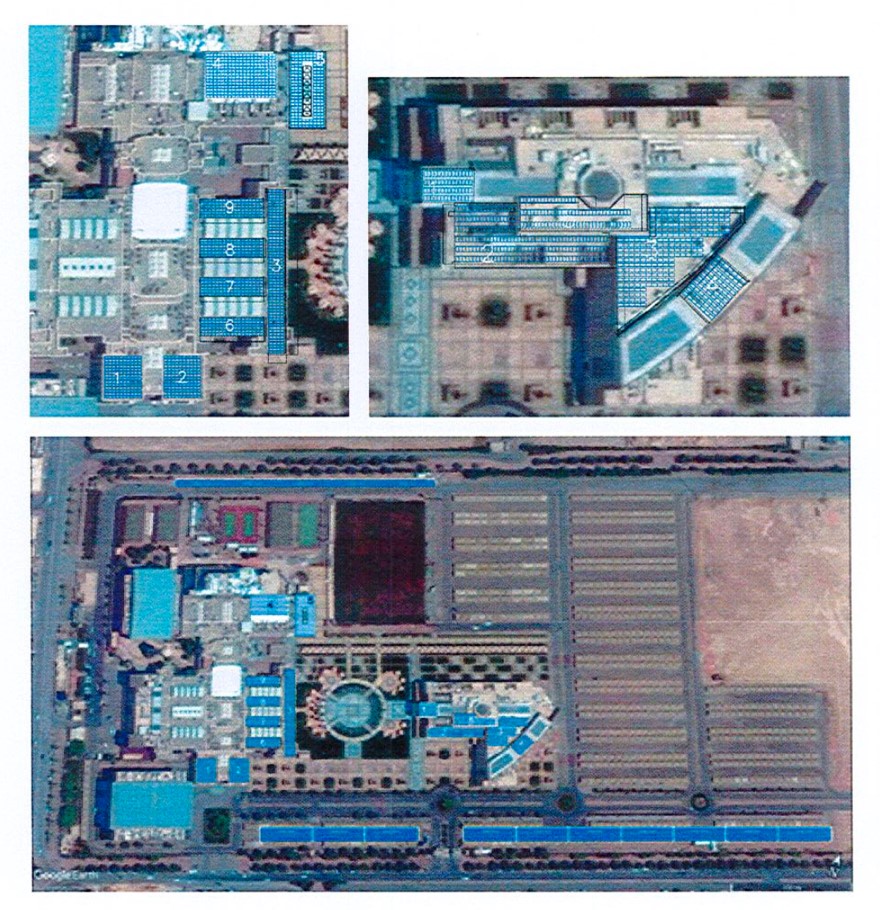
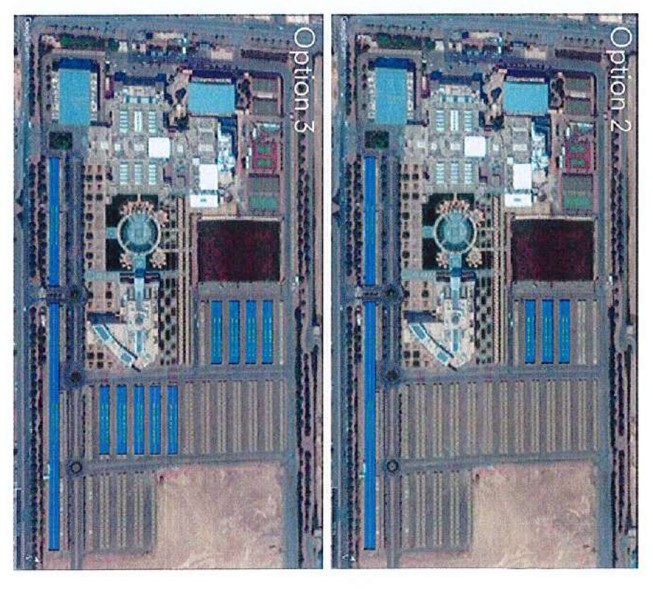
Plan for Upgrade Building.
Carbon reduction and emission reduction process
Have a process for carbon management and reducing carbon dioxide emissions
Prince Sultan University (PSU) has adopted a comprehensive process for carbon management and emission reduction, closely aligned with Saudi Vision 2030 and the global drive towards sustainability. Through the Zero Waste Initiative, supported by partnerships with PepsiCo’s pep+ framework and the Center for Sustainability and Climate, PSU emphasizes reducing waste and promoting a circular economy as key strategies to lower greenhouse gas emissions. The initiative encourages students to ideate, design, and implement projects focused on responsible consumption, recycling, and sustainable design, all aimed at minimizing waste and reusing resources. By fostering awareness, supporting innovative waste reduction projects, and aligning with Sustainable Development Goal 7 on Affordable and Clean Energy, PSU not only mitigates carbon emissions but also promotes sustainable energy practices across campus. This commitment to carbon reduction and waste management is a testament to PSU’s dedication to a sustainable and environmentally friendly future. Also, Prince Sultan University (PSU) has implemented a robust carbon management and emission reduction process, encapsulated within its Sustainable Waste Management, Prevention, and Disposal Policy. This policy, approved by the University Council, highlights PSU's commitment to building a sustainable, green campus. Key initiatives include minimizing plastic use, reducing dependency on disposable items, adopting energy-efficient practices, and avoiding carbon-intensive industries. The Maintenance Department oversees waste management, employing a prevention approach to minimize carbon emissions and coordinating with municipal and specialized agencies to dispose of various waste types responsibly. By regularly monitoring landfill and recycled waste and reporting performance metrics, PSU not only mitigates carbon emissions but also fosters a healthier, eco-friendly campus environment, demonstrating a strong commitment to sustainability aligned with global standards.
See InitiativesPlan to reduce energy consumption.
Prince Sultan University (PSU) has adopted a comprehensive energy efficiency strategy aimed at reducing overall energy consumption and advancing campus-wide sustainability. This initiative focuses on developing an eco-friendly infrastructure through optimized resource utilization and smart operational practices.
As part of its digital transformation efforts, PSU minimizes dependence on physical resources, enhancing both energy and operational efficiency. The university also promotes a culture of sustainability among its community through wellness and awareness programs that encourage energy-saving behavior. Key actions include the installation of solar photovoltaic systems, deployment of inverter-based air-conditioning units, conversion to LED lighting, implementation of solar water heating systems, and integration of motion sensors and dimmer controls across facilities. Collectively, these measures contribute to an estimated 5–10% reduction in energy consumption, reinforcing PSU’s leadership in environmental stewardship, sustainable development, and institutional excellence.
A comprehensive energy efficiency plan has been developed for Buildings 101 and 104 and their associated electrical systems at Prince Sultan University (PSU). The initiative is designed to optimize power utilization and reduce overall energy consumption, with a primary focus on enhancing the performance of the 1000 kVA and 1500 kVA transformers located within these facilities. The plan carefully considers the electrical parameters of the system—such as voltage, phase, and frequency—to ensure optimal configuration and minimal losses. It also integrates site-specific geographical data, time-based simulations, meteorological inputs, and photovoltaic (PV) array characteristics to evaluate and implement efficient energy solutions. Through this data-driven and systematic approach, PSU advances its commitment to sustainability, energy conservation, and green campus development, fostering a more resilient and environmentally responsible energy ecosystem across the university infrastructure.
Energy wastage identification.
In alignment with Prince Sultan University’s Sustainable Waste Management, Prevention, and Disposal Policy (GV0016), a comprehensive energy efficiency plan has been formulated for Buildings 101 and 104 and their associated electrical systems.

This initiative directly supports PSU’s commitment to sustainable campus operations and adherence to the policy’s directive to “adopt energy efficiency standards” and “avoid carbon-intensive processes.” The project focuses on optimizing power utilization and reducing overall energy consumption, particularly by enhancing the performance and reliability of the 1000 kVA and 1500 kVA transformers. The plan integrates electrical design parameters—including voltage, phase, and frequency—with geographical site data, time-based simulations, meteorological conditions, and photovoltaic (PV) array characteristics to develop data-driven, low-loss configurations. The PSU Maintenance Department, as outlined in the policy, is responsible for implementing the necessary infrastructure, monitoring performance, and submitting reports to upper administration and the Quality Assurance Office to ensure compliance with energy and sustainability KPIs. Through these coordinated measures, PSU reinforces its vision of a safe, healthy, and green campus, advancing toward a low-carbon, energy-efficient, and environmentally responsible university ecosystem.
Read PolicyHave a policy on divesting investments from carbon-intensive energy industries notably coal and oil
Prince Sultan University (PSU) has established a Sustainable Investment Policy (SIP) (https://www.psu.edu.sa/en/GV00019-sustainable-investment-policy ) that emphasizes the university's commitment to responsible investment practices. As part of this policy, PSU divests from carbon-intensive energy industries, particularly coal and oil, aligning its financial strategies with the principles of environmental, social, and corporate governance (ESG). The SIP promotes investments in companies that demonstrate sustainable practices and supports the UN Sustainable Development Goals (SDGs). By excluding investments in extractive fossil fuels and employing both negative and positive screening methods, PSU aims to enhance long-term financial returns while minimizing risks associated with environmentally harmful sectors. This proactive approach reflects PSU's dedication to fostering a sustainable future and responsible stewardship of its investment portfolio. Prince Sultan University (PSU) has established a Sustainable Financial Revenue Diversification Policy (https://www.psu.edu.sa/en/GV00010-sustainable-financial-revenue-diversification-policy ) that includes a commitment to divesting from carbon-intensive energy industries, particularly coal and oil. This policy aims to secure sustainable financial resources and supports innovation and commercialization of research while aligning with responsible investment practices and broader environmental goals.
Energy use density
Prince Sultan University (PSU) actively monitors and manages its energy performance to ensure efficient and sustainable campus operations. The total university floor space amounts to 92,016 square meters, encompassing key facilities such as Building 101 (15,022 m²), Building 102 (2,468 m²), Building 103 (1,389 m²), Building 104 (3,082 m²), Building 105 (6,627 m²), and Building 106 (2,084 m²), along with additional academic, research, and administrative buildings. The university’s total annual energy consumption is approximately 15.9 GWh per year, resulting in an average energy usage intensity of 173 kWh per square meter per year (kWh/m²/yr). These figures are obtained through systematic monitoring of electrical systems, including major transformer units of 1000 kVA and 1500 kVA located in Buildings 101 and 104. PSU analyzes this data to assess performance, identify areas for efficiency improvement, and guide sustainability initiatives such as solar photovoltaic integration, inverter-based air-conditioning systems, LED lighting retrofits, and motion-sensor controls. Through this comprehensive approach, PSU demonstrates its ongoing commitment to reducing total energy consumption, enhancing energy efficiency, and fostering a green, sustainable, and environmentally responsible campus infrastructure.
Local community outreach for energy efficiency
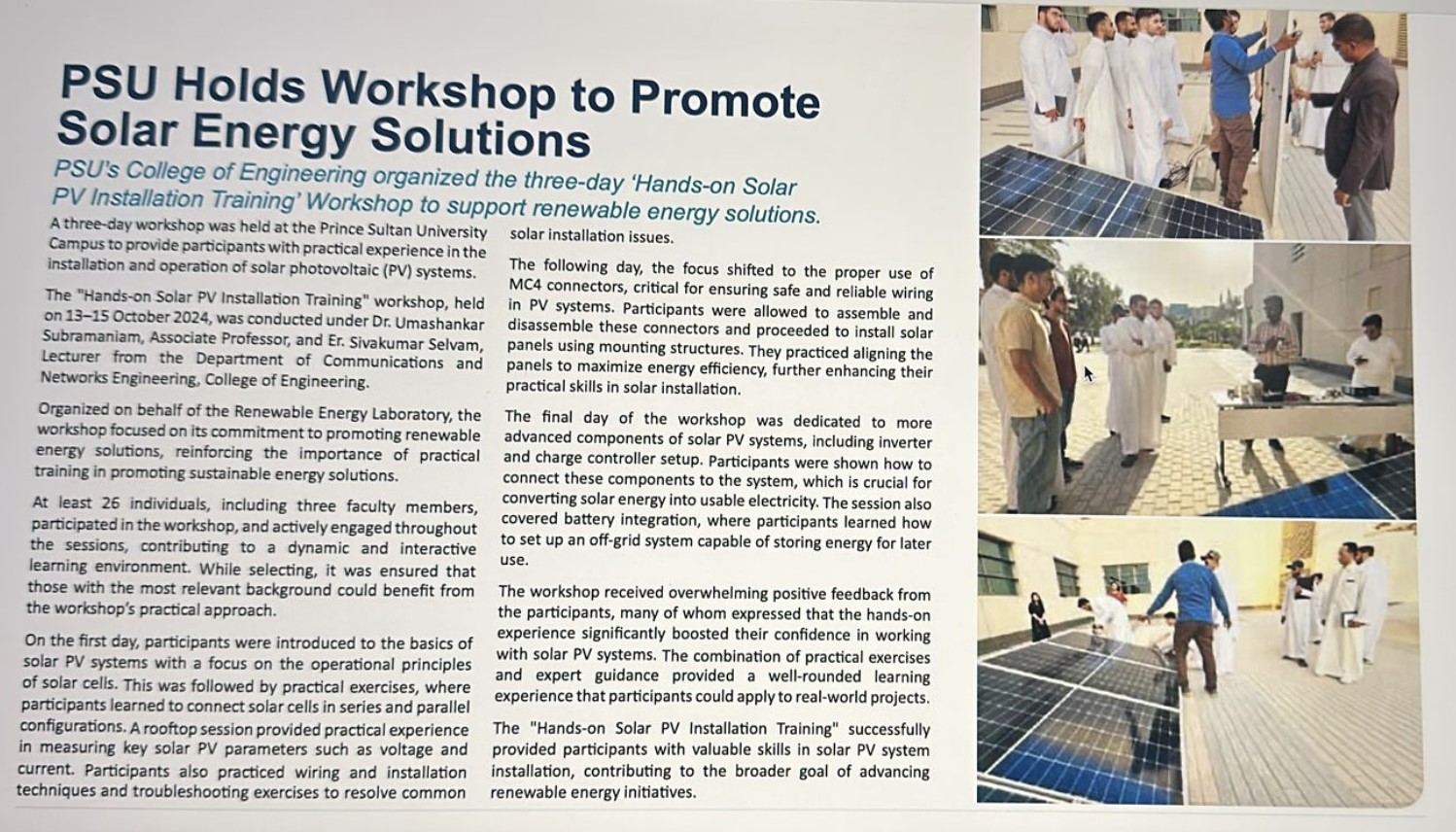
Prince Sultan University's College of Engineering held a three-day Hands-on Solar PV Installation Training workshop from October 13-15, 2024, as part of its commitment to Sustainable Development Goal 7 (SDG 7) and promoting renewable energy solutions. The workshop offered participants practical experience in installing and operating solar photovoltaic (PV) systems. Activities included connecting solar cells, using MC4 connectors, and setting up inverters, charge controllers, and off-grid battery systems. With 26 attendees, the workshop provided a robust, hands-on learning environment, enabling participants to gain confidence in solar energy applications and contribute to advancing sustainable energy initiatives.
Prince Sultan University (PSU) is actively engaged in local community outreach to promote energy efficiency and clean energy practices. The Renewable Energy Lab (REL) has made significant strides in this area, exemplified by recent open-access publications that contribute to sustainable development. One impactful article focuses on “Analysis of solution strategies for the transition to renewable energy in Saudi Arabia,” directly addressing the UN Sustainable Development Goals, particularly SDG 7 (Affordable and Clean Energy). Through these initiatives, PSU emphasizes the importance of educating the local community on energy efficiency and sustainable practices, reinforcing its commitment to fostering a more sustainable future and addressing global challenges through research and collaboration.
Prince Sultan University (PSU) is actively engaged in local community outreach to raise awareness about energy efficiency and clean energy practices. Through the efforts of the Renewable Energy Laboratory (REL), PSU organizes special session that focus on sustainable energy solutions and environmental responsibility. These initiatives aim to educate the local community about the benefits of efficient energy use, renewable power adoption, and sustainable urban development. Aligned with the United Nations Sustainable Development Goals (SDG 7 – Affordable and Clean Energy, SDG 11 – Sustainable Cities and Communities, and SDG 17 – Partnerships for the Goals), PSU’s outreach efforts foster collaboration, knowledge exchange, and community participation in achieving a low-carbon future. By bridging academic research with societal needs, PSU continues to play a leading role in promoting energy-conscious behavior and supporting clean energy transitions within the local community.
Building on this vision, PSU’s participation in international conferences such as CPE-PowerEng 2025 further amplifies its contribution to global energy research and innovation. The involvement of PSU faculty member as session organizer highlights the university’s commitment to advancing sustainable energy technologies and fostering international collaboration. Such initiatives not only enhance PSU’s academic visibility but also create platforms for sharing innovative ideas, inspiring young researchers, and promoting cleaner, smarter, and more efficient energy systems for the future.
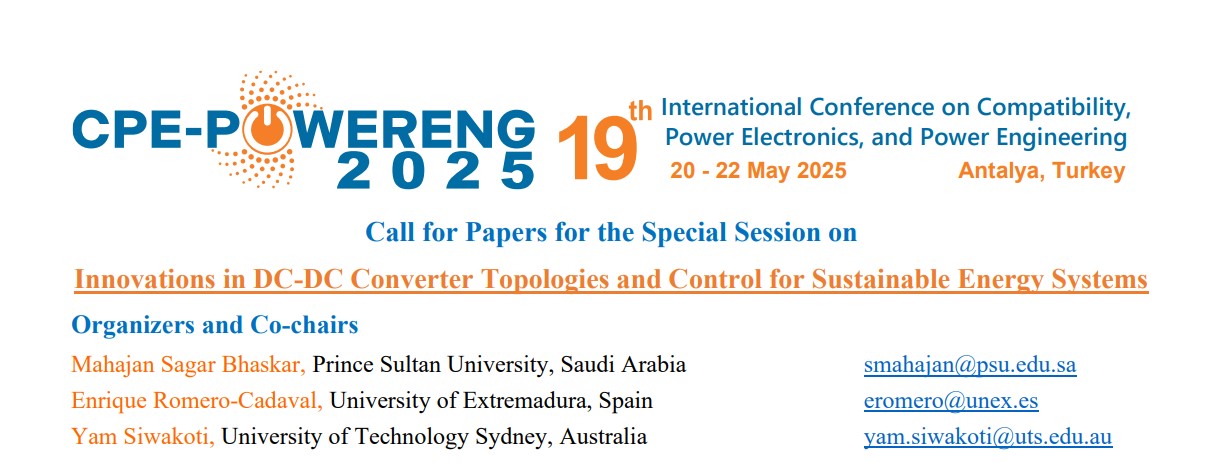
Conferences:
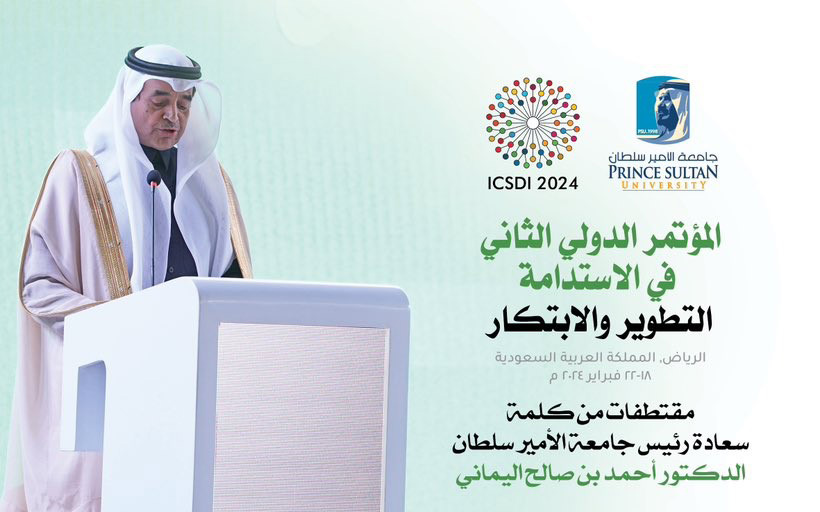
Prince Sultan University (PSU) is dedicated to local community outreach aimed at enhancing energy efficiency and promoting clean energy practices. As part of this commitment, the Engineering College organizes events such as the 2nd International Conference on Sustainability: Development and Innovations (ICSDI 2024). This dynamic conference serves as a platform to connect diverse talents with decision-makers and explore innovative solutions aligned with sustainable development goals (SDGs). Through a variety of presentations, workshops, and expert panels, the conference addresses pressing sustainability challenges and emphasizes the importance of energy efficiency. These programs provide valuable opportunities for the local community to learn about sustainable practices, fostering a collective commitment to a greener future.
100% renewable energy pledge
Prince Sultan University (PSU) has taken a landmark step toward environmental sustainability by pledging to achieve net zero carbon emissions by 2060, becoming the first university in Saudi Arabia to make such a commitment. As an official signatory of the UNFCCC “Race to Zero” campaign, PSU joins a global coalition dedicated to building a healthy, resilient, and zero-carbon future through the transition to 100% renewable energy and sustainable development practices. This initiative reflects PSU’s strong commitment to integrating sustainability across its operations, research, and community outreach activities, in alignment with Saudi Vision 2030 and the United Nations Sustainable Development Goals (SDG 7 – Affordable and Clean Energy, SDG 11 – Sustainable Cities and Communities, and SDG 13 – Climate Action). Through the Race to Zero for Universities and Colleges—coordinated by EAUC, Second Nature, and the UN Environment Programme—PSU stands among 1,094 higher education institutions representing over 10.6 million students worldwide. By joining this global movement, PSU not only reinforces its own sustainability leadership but also serves as a national model for renewable energy adoption and carbon reduction, inspiring other institutions and communities to embrace clean energy transitions. This commitment underscores PSU’s vision of creating a cleaner, greener, and more sustainable future, both within its campus and beyond.

Energy Efficiency Services for Industry
Prince Sultan University (PSU), through its Renewable Energy Laboratory (REL) and College of Engineering, provides direct energy efficiency services to local industry by conducting professional assessments, technical inspections, and collaborative outreach programs. In partnership with Grundfos Saudi Arabia, PSU carried out an energy efficiency inspection of Building 105, focusing on the rooftop chiller plant and underground pumping systems. The inspection identified operational inefficiencies such as non-functional Variable Frequency Drives (VFDs), improper load distribution, and suboptimal chiller setpoints, resulting in the development of a Recommended Practice Report for Energy Efficiency Improvement. The report proposed practical measures, including optimized temperature control, balanced pump operation, vibration management, and adherence to standard operating procedures (SOPs) to enhance performance and reduce energy consumption. PSU further extended its engagement with industry through Engineering Day 2024 and participation in the Solar & Energy Storage KSA 2024 Expo, fostering collaboration on renewable energy and energy efficiency initiatives. These efforts demonstrate PSU’s commitment to supporting SDG 7 – Affordable and Clean Energy, by promoting industrial energy efficiency, advancing clean energy solutions, and contributing to a more sustainable energy ecosystem in Saudi Arabia.
- Read Related Stories:
- Engineering Day 2024 meet with industry delegates
- Solar & Energy Expo Visit with Students
Policy development for clean energy technology
Prince Sultan University (PSU) actively contributes to policy development for clean energy and energy-efficient technologies through the initiatives of its Center for Sustainability and Climate (CSC). The university aligns its research and outreach efforts with national priorities under Saudi Vision 2030 and global frameworks such as SDG 7 – Affordable and Clean Energy. PSU provides expert insights and technical guidance to support government bodies and policymakers in formulating strategies that promote renewable energy adoption, sustainable infrastructure, and efficient energy utilization. Through collaborative workshops, advisory contributions, and research-based recommendations, PSU helps strengthen national capabilities in clean energy governance and technology deployment. These activities ensure that emerging innovations in renewable energy and energy efficiency are effectively integrated into policy frameworks, demonstrating PSU’s leadership in supporting a sustainable, low-carbon future for the Kingdom.
Visit Center for Sustainability and ClimateAssistance to low-carbon innovation
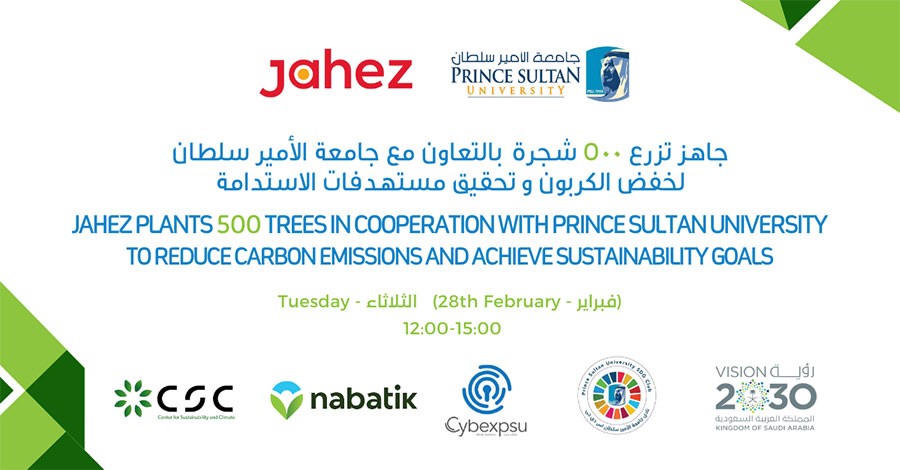
In line with Sustainable Development Goal 7 (SDG 7) and the commitment to advancing a low-carbon economy, Prince Sultan University (PSU) actively supports low-carbon innovation through collaboration and hands-on initiatives with industry leaders. A recent project with Jahez, in which 500 trees were planted, exemplifies PSU’s commitment to reducing carbon emissions and supporting start-ups focused on sustainable practices.
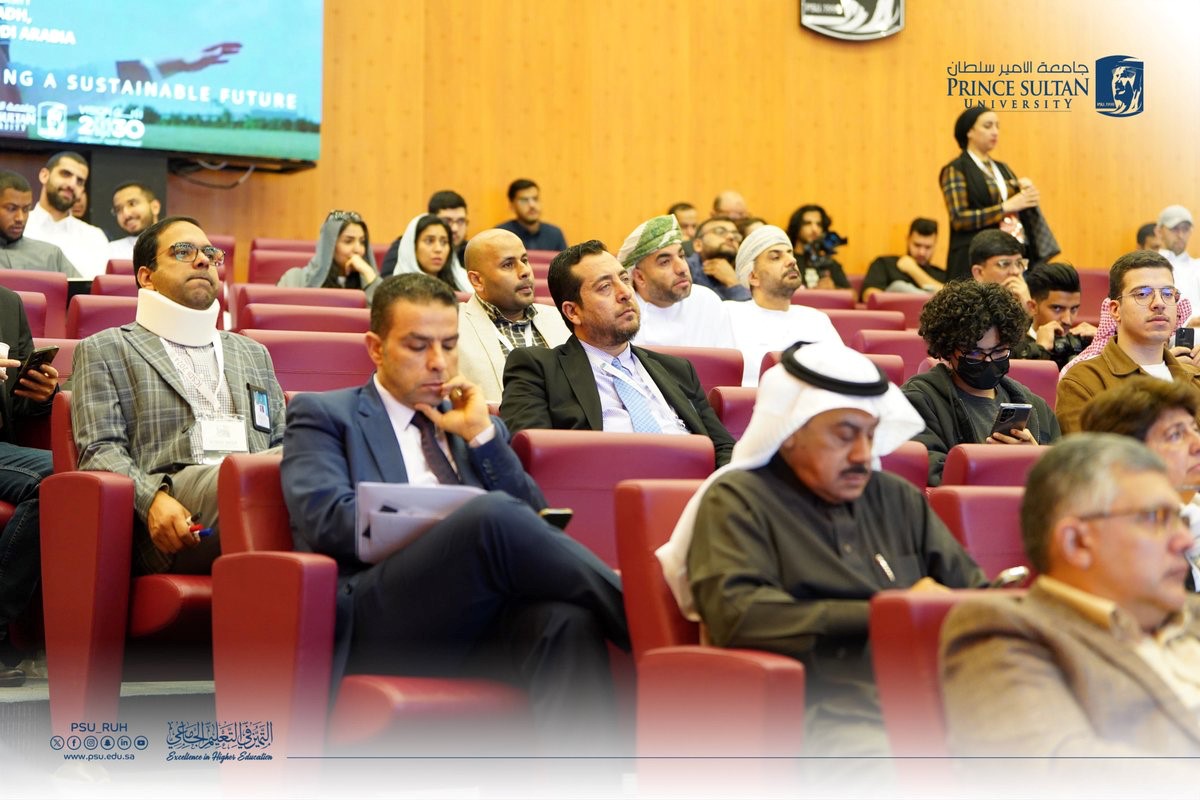
Additionally, Dr. Fahd Al-Sharahi, Vice President of Sustainability at SABIC, emphasized SABIC's role in pioneering carbon neutrality strategies, corporate sustainability, and circular carbon economy initiatives. These joint efforts underscore PSU’s role in fostering a low-carbon economy by aiding innovative projects and start-ups that align with Saudi Arabia's sustainability goals.
Prince Sultan University (PSU) provides strong assistance to start-ups and innovators developing low-carbon technologies through its integrated research and innovation ecosystem. The Renewable Energy Laboratory (REL) under the Research and Initiatives Center (RIC) plays a vital role in advancing clean energy innovations by supporting applied research projects in solar energy, energy storage, power electronics, and wireless power transfer—each designed to reduce carbon emissions and improve energy efficiency. Complementing this, PSU’s CREATE Start-up Platform, hosted by the Innovation and Entrepreneurship Center, provides mentorship, incubation services, and technical guidance to early-stage ventures that promote sustainable and low-carbon solutions. Through funding opportunities, prototype development support, and access to university facilities, PSU enables entrepreneurs and researchers to transform innovative clean energy ideas into viable commercial applications. These initiatives collectively strengthen the university’s contribution to building a low-carbon economy, in alignment with Saudi Vision 2030 and UN Sustainable Development Goal 7 (Affordable and Clean Energy).
Low-carbon energy use
Prince Sultan University (PSU) currently records a total annual energy consumption of 23.27 GWh, with no energy directly sourced from low-carbon or renewable sources at present. While the existing energy supply is derived entirely from conventional grid electricity, PSU has initiated several sustainability programs aimed at transitioning toward low-carbon energy use. Planned initiatives include the integration of solar photovoltaic systems, adoption of energy-efficient technologies, and implementation of green building practices to progressively reduce carbon emissions. These efforts reflect PSU’s strategic commitment to achieving a net-zero carbon campus by 2060 and advancing toward a cleaner, more sustainable energy future.
Recommended Practice for Energy Efficiency improvement
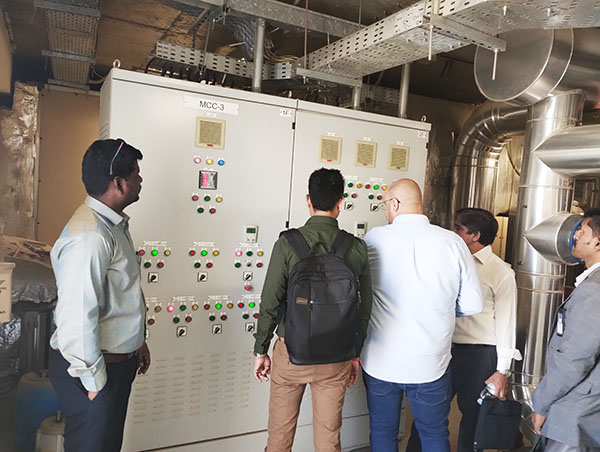
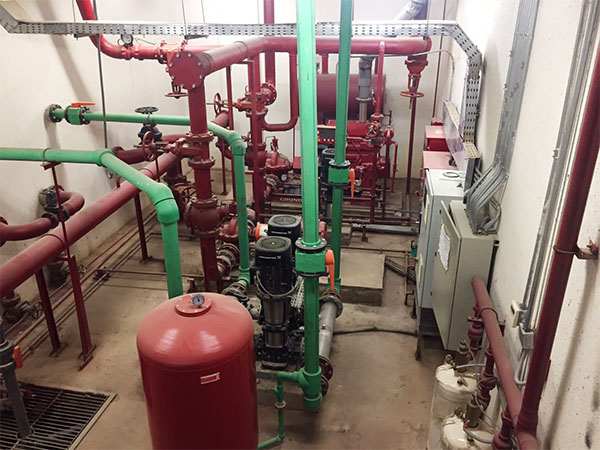
The Energy Efficiency Improvement Report for Building 105 at Prince Sultan University identifies operational inefficiencies in the rooftop chiller plant, underground water pumping systems, and the improper use of Variable Frequency Drives (VFDs). Key findings include suboptimal chiller setpoints, uneven pump load distribution, non-operational VFDs, and excessive pipeline vibrations.
The report outlines recommendations such as resetting temperature setpoints, reactivating VFDs, implementing soft start/stop sequences, and addressing pipeline vibrations through dampers or expansion joints. It also emphasizes the importance of standard operating procedures (SOPs), routine maintenance logs, energy monitoring systems, and staff training. Expected benefits include reduced energy costs, extended equipment life, risk mitigation, and alignment with sustainability goals, particularly SDG 6, 7, 12 and 13. The report suggests replicating these measures across other university buildings to enhance overall energy efficiency.
Read Full


